Are CIGS panels better than monocrystalline panels for vehicles?
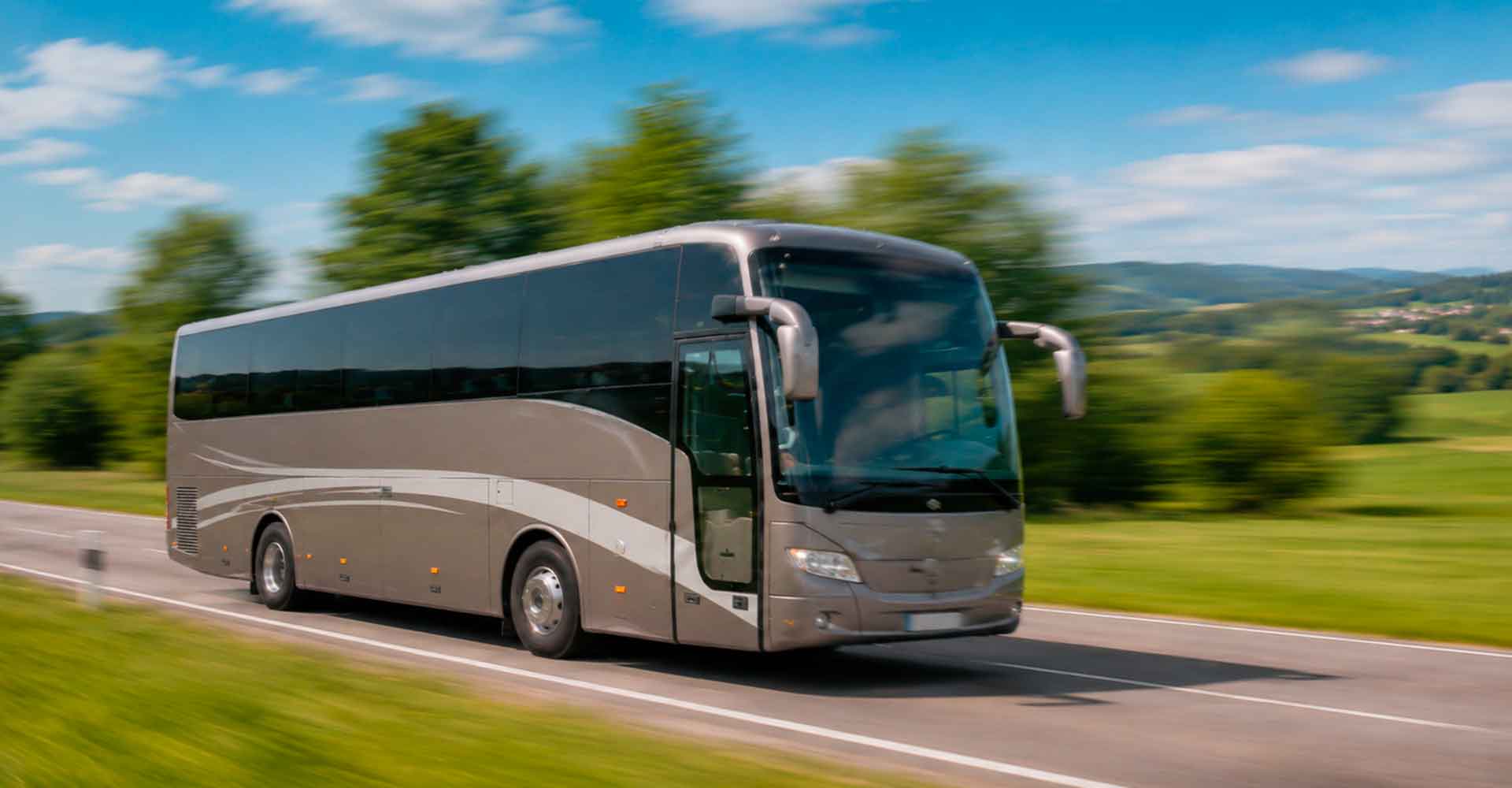
Yes, CIGS panels are usually better than monocrystalline solar cells for buses, lorries, trailers and refrigerated trailers. The reason is simple: a vehicle subjects the panel to constant vibrations, curved roof surfaces and high temperatures, and this is where thin-film technology has a clear advantage over rigid monocrystalline panels.
Monocrystalline silicon On the other hand, they have a higher efficiency, typically 20 to 23 per cent compared with 7 to 13 per cent for thin-film panels. However, on the roof of a lorry, bus or trailer, low weight, flexibility and long service life are more important than the absolute efficiency in per cent. That is why most hauliers prefer CIGS panels when solar cells are to be fitted to vehicles travelling on public roads.
Why are CIGS panels suitable for lorries, buses and refrigerated lorries?
A vehicle subjects solar cells to different conditions than a house roof. Speed bumps, bends and long journeys on the motorway cause constant vibration. Over time, this wears down rigid materials. Monocrystalline panels are constructed around a single silicon crystal, encased in glass. This structure does not cope well with this type of stress. Over time, micro-cracks often develop. These gradually reduce performance.
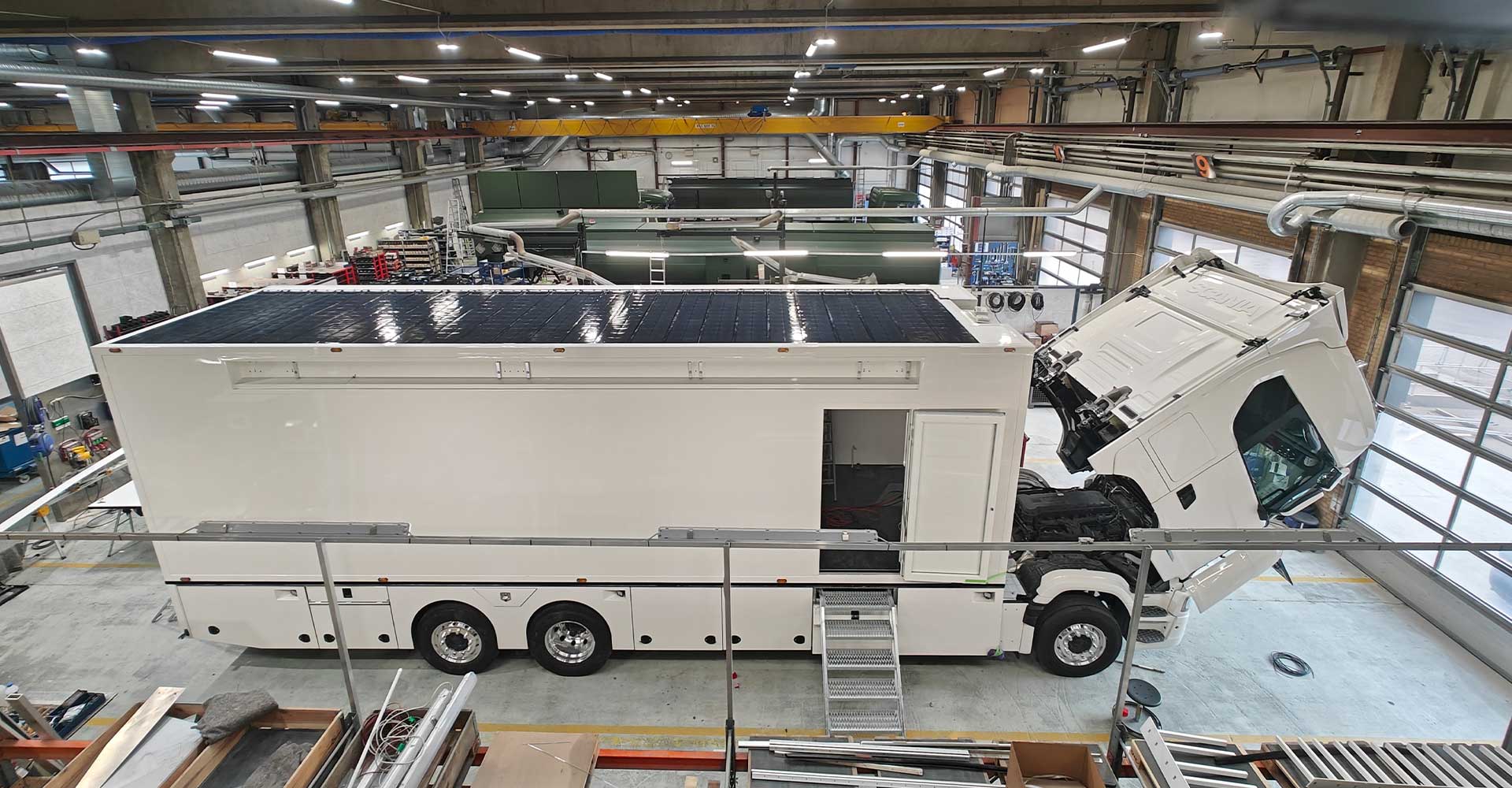
CIGS thin-film solar cells, on the other hand, are built up in thin layers on a flexible substrate, making them ideal for generating electricity in challenging conditions. A typical panel weighs around 2.2 kilograms per square metre and is only a few millimetres thick (3 mm). This makes it possible to mount the panel directly onto the roof’s contours without altering the vehicle’s aerodynamics. The panel conforms seamlessly to the roof of both buses and lorries.
Then there’s the heat. A black roof in direct sunlight can easily reach temperatures in excess of 60 degrees in summer. At these temperatures, the output of silicon panels drops noticeably. CIGS technology is less sensitive to heat. It therefore retains a greater proportion of its output throughout a long day on the road.
The difference between CIGS and monocrystalline solar cells in practice
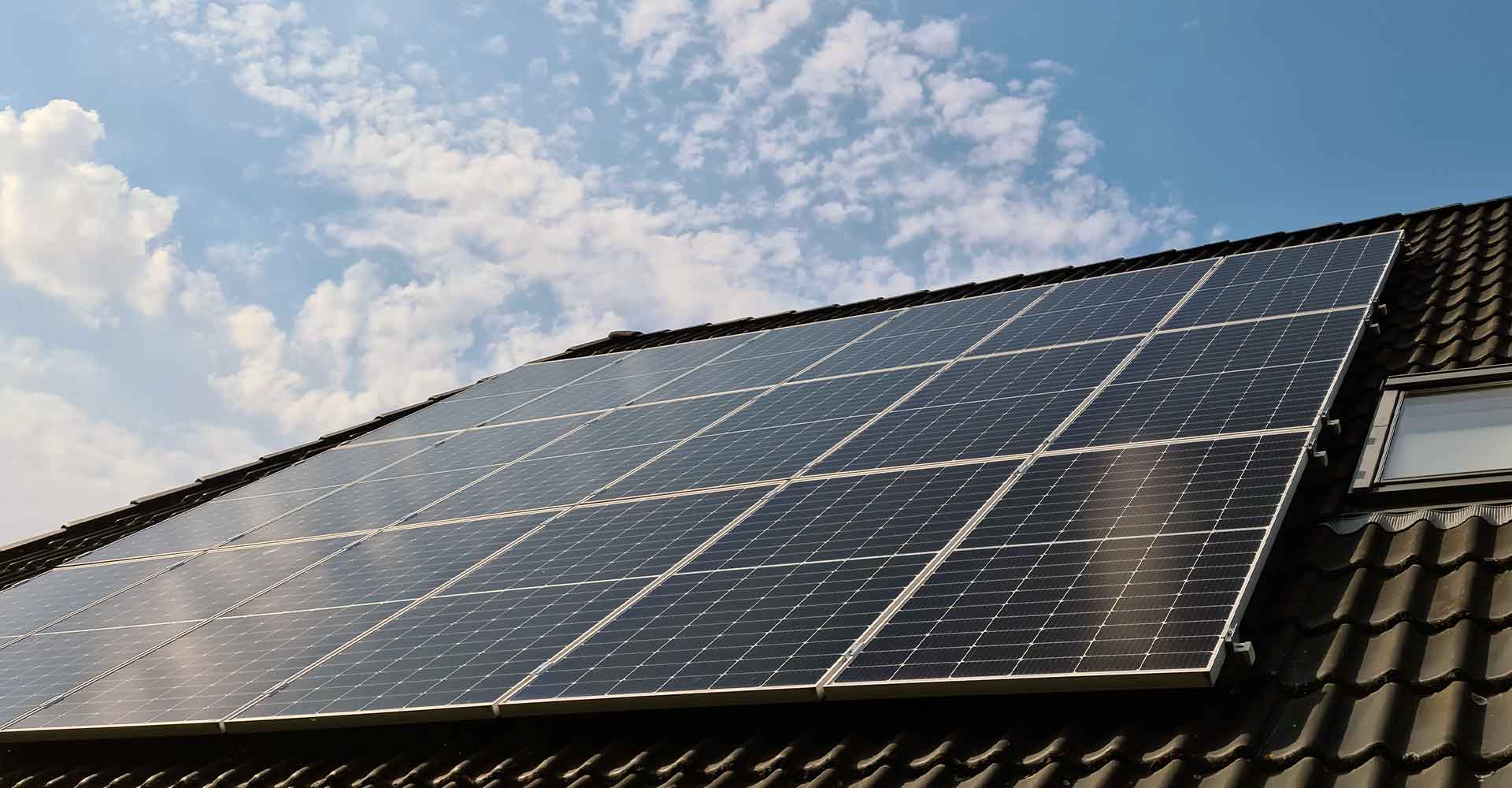
The two technologies are based on different principles. Monocrystalline cells are cut from a single silicon crystal. They have a uniform, black surface. The cells are rigid and must be protected by glass and a frame. The result is a heavy and rigid panel, suitable for use on, for example, a fixed or flat roof.
CIGS solar panels are made up of a thin layer of copper, indium, gallium and selenium on a flexible substrate. This makes the panel light and flexible. It can also withstand the knocks and vibrations that a vehicle encounters every day. On the other hand, the panel needs to be larger to produce the same output, as the power output per square metre is lower than that of monocrystalline solar cells.
Another difference is the light. CIGS panels perform well in overcast weather and in partial shade cast by bridges, trees or other cars. Monocrystalline panels are more sensitive to shade. A single shaded cell can easily reduce the output of the entire panel.
Efficiency and roof area: what do the figures mean for your fleet?
The figures only tell part of the story. Monocrystalline panels generate the most kilowatt-hours per square metre. This matters most if the roof is large, flat and sturdy, as on a detached house. On a vehicle, the picture is different. The roof of a lorry, bus or trailer is small, often curved, and it must be able to support a panel that is neither too heavy nor at risk of breaking due to vibrations and stresses caused by driving over time.
The choice is therefore not just about the percentage of sunlight a panel converts into electricity. It is about what the panel actually delivers over time when installed on a moving roof. A longer operational lifespan often outweighs the lower output. With a CIGS panel, you avoid the micro-cracks that vibrations cause in a rigid panel over time. For a haulier who needs to supply power to refrigeration systems, batteries and comfort systems whilst driving and during breaks, stable operation is often the more important factor.
FAQ – Frequently Asked Questions
Are CIGS solar cells better than monocrystalline panels for lorries?
For lorries and buses, CIGS solar cells are often the best choice. The lightweight, flexible panels adapt to the shape of the roof and minimise the risk of cracks, even during long and demanding journeys. Monocrystalline panels do indeed have a higher efficiency, but they are less resistant to the stresses caused by travelling many kilometres on the roads.
How much does a CIGS panel weigh compared to a monocrystalline panel?
A CIGS panel typically weighs around 2.2 kilograms per square metre, whilst a monocrystalline panel with glass and a frame often weighs considerably more. The lower weight makes CIGS panels easier to install on a vehicle roof without unnecessarily increasing the total weight.
Can CIGS panels withstand Danish road conditions and temperature fluctuations?
Yes, CIGS panels are designed specifically for that type of stress. Their flexible structure withstands impacts from speed bumps and bends better than rigid panels. The technology also maintains its performance better in high temperatures than monocrystalline silicon.
How to choose the right solution
There’s no need to rush into a decision that will affect you for many years to come. Take the time to consider what your fleet needs. Is it less idling, lower fuel consumption or stronger ESG reporting that matters most to you?
We’d be happy to help with solar panels for your vehicle and explain how CIGS panels can be integrated into your transport solutions. Get in touch with Jens on the phone +45 6089 2020 for a no-obligation chat about what makes sense for your fleet.