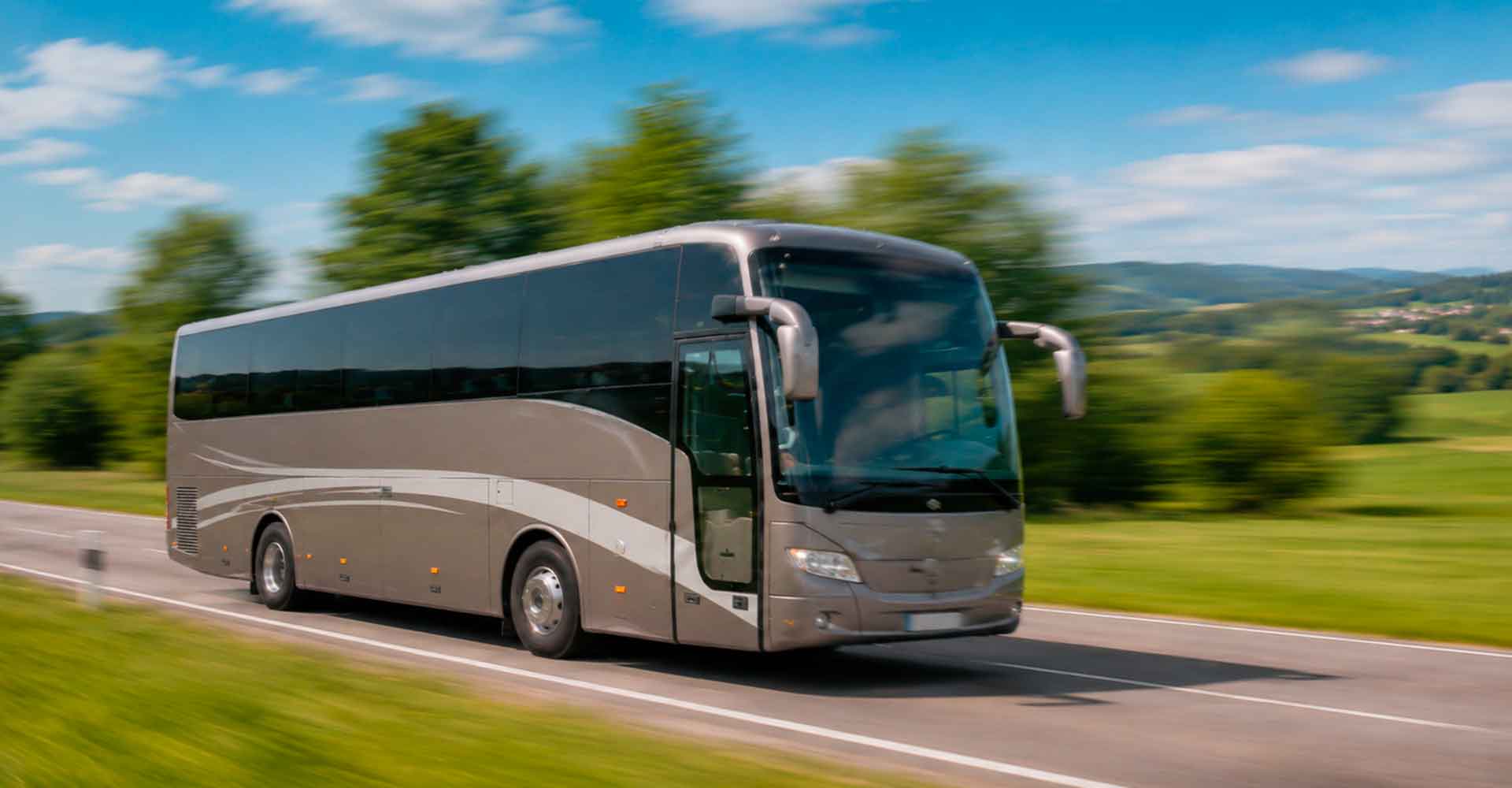
Tourist coach vs. regular bus: two different requirements for solar panels
They look alike. They are both buses. They both run on diesel. But when it comes to solar panels and what they can contribute, the tourist coach and the public service bus are two fundamentally different vehicles — with vastly different operating profiles, different power consumption patterns and different investment logic.
Treating them as one and the same is the most common mistake in the debate on solar cells for transport.
The tourist bus: the silent consumer
A tourist coach typically travels 800–1,200 km in a single day to reach its destination. But that is only half the story. For the rest of the day – and in many cases a good part of the day – it stands idle.
The night is spent in the hotel car park with the engine switched off, but the passengers’ luggage and the driver’s equipment require lighting and ventilation. The day’s programme includes visits to attractions, stops at canteens and city walks – and the coach is waiting. Border crossings, ferry terminals and ports in Denmark offer far too many places where the bus has to stand idle for long periods with the engine running and the air conditioning on, because passengers expect a comfortable return to their seats.
It is not uncommon for a tourist coach to accumulate 6–10 hours of parking time per day during an active tour. During the summer months, the air conditioning runs continuously. Information screens display advertising and timetable information. The USB ports are in constant use.
All of that requires electricity. And unless there is an external power supply, that electricity comes from the diesel engine.
For the tourist bus, solar panels are very much a parking solution. A solar panel system on the roof generates electricity precisely when the bus is stationary – at the hotel in the morning, at the tourist attraction in the afternoon, and in the car park whilst the passengers are out sightseeing. There is a direct correlation between the time of generation and the time of consumption.
CIGS solar cells perform well in southern European conditions and retain a significant proportion of their output even under slightly overcast skies, thanks to the technology’s ability to utilise diffuse light. For a tourist coach that regularly operates in France, Spain, southern Germany or Denmark, the potential is further enhanced.
The bus: the mobile consumer
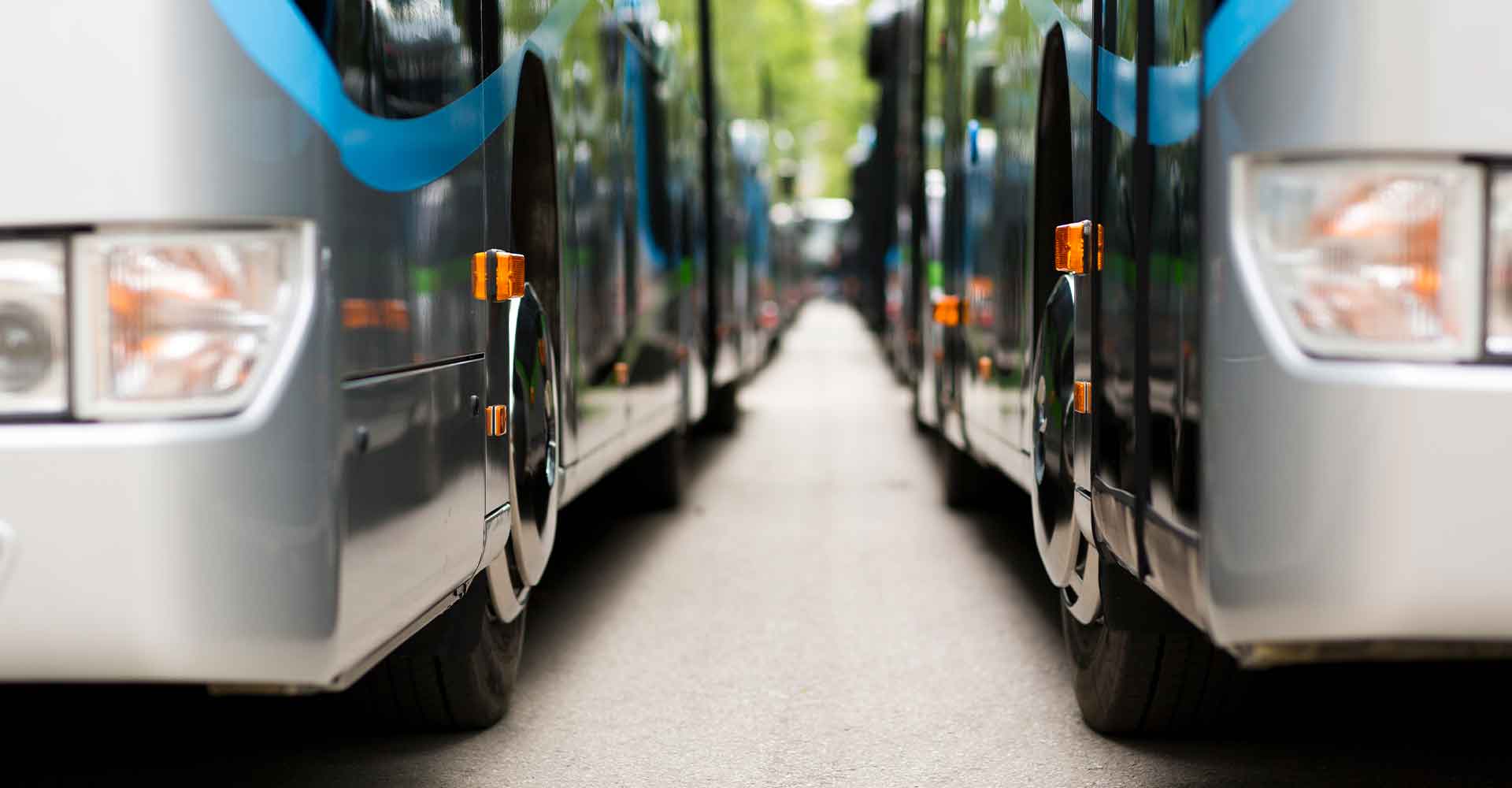
A coach used for regional or urban services covers fewer kilometres per day than a tourist coach, but on the other hand, it is rarely parked stationary for long, uninterrupted periods. It departs at 6 am, remains in service until 10 pm, and its idling time is spread across many short stops: 30 seconds at a bus stop, 3 minutes at a terminus, 10 minutes at a meeting point.
This is a completely different scenario for solar panels. Here, the focus is not primarily on generating power whilst parked. Here, there are two key aspects: reducing the load on the alternator whilst driving and charging the battery during shorter breaks.
CIGS solar cells continuously supply power to the bus’s electrical system whilst it is in motion. This means that the alternator – which is mechanically coupled to the diesel engine – does not need to work as hard to maintain the voltage in the electrical system, which contributes to a higher level of comfort for passengers. The reduced load translates directly into lower diesel consumption.
In addition, starter batteries and auxiliary batteries on public service buses are subjected to many short discharge and charge cycles every day. The continuous charging power from the solar cells keeps the battery level stable, reduces deep discharge and significantly extends the battery’s service life.
What they have in common – and how they differ
Both types of bus share one technical reality: a diesel engine that uses part of its capacity to power an electrical system that generates electricity, simply because there is no better alternative. Solar panels are the better alternative.
However, the case for investment is different:
For tourist coaches, the main considerations are parking time and operational comfort. The high levels of sun exposure in Southern and Central Europe, the long periods spent stationary and the constant need to ensure passenger comfort make the calculations favourable and relatively straightforward to work out.
For public transport buses, the main considerations are alternator load, battery life and operational reliability. Here, the savings may be a little harder to pinpoint, but fleet operators with 20–50 buses will notice the difference in their overall diesel costs and in the number of battery replacements per year.
Tourist coach vs. regular bus – the layout is the same – the logic is different
The CIGS panels are glued directly onto the roof surface without the need for drilling. Installation typically takes one day and requires no structural alterations to the bus’s bodywork or electrical system. The process is the same for both types of vehicle.
Any enquiries regarding tourist buses versus regular buses can be directed to Jens Ottosen – telephone: +45 6089 2020.