A new service van for the Uno-X Mobility Cycling Team
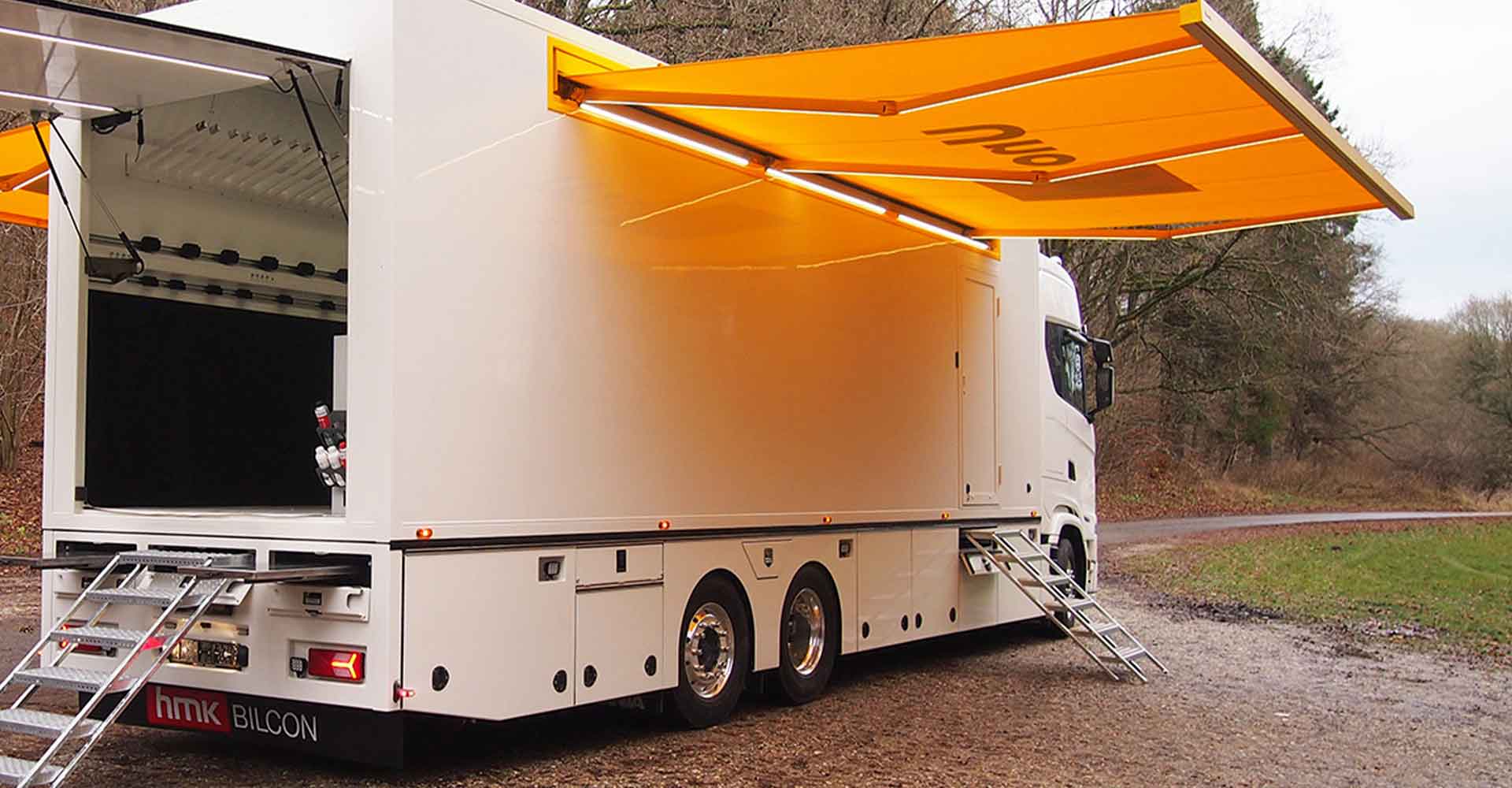
The Uno-X Mobility Cycling Team will be competing in the 2026 season with a brand-new mechanics’ van, built by HMK Bilcon in collaboration with Scania Denmark. The truck serves as a mobile workshop for the team’s mechanics, and its technical equipment includes solar panels as part of the power supply for day-to-day operations.
This story is of interest to anyone who works professionally with vehicles that are constantly on the move, from cycling teams to hauliers and distribution fleets. When a team at the very top international level chooses solar cells as part of the solution, it says something about how mature the technology has become for commercial use.
Scania and HMK Bilcon are behind the bodywork
Scania Denmark supplied a Scania S 500 lorry, whilst HMK Bilcon was responsible for project management and the actual bodywork construction. This included the subframe, tool cabinets and side skirts on both sides. HMK Bilcon has customised all the cupboards under the floor to suit the specific equipment and storage requirements of the mechanics, so that everything is accessible wherever and whenever it is needed whilst on the route.
The truck features a kitchen behind the cab and a large workshop, which make up the bulk of the bodywork. It is an example of how a high degree of bespoke planning can translate a professional team’s specific needs into a functional working environment on four wheels. Both the kitchen and the workshop draw power throughout the day, which in itself necessitates the multi-source power supply that HMK Bilcon has built into the truck.
A mobile workshop offering a high level of comfort
The equipment on board the truck is extensive and covers both the practical work and the mechanics’ day-to-day tasks during a stage of the tour. This includes, amongst other things, a freezer, fridge, Quooker, washing machine and tumble dryer, as well as a 150-litre fresh water system for coffee, the washing machine and the high-pressure washer. In addition, there is air conditioning in both the kitchen and the workshop, a compressor, work lights and awnings on both sides, each covering 3,500 mm.
The workshop area itself contains three tool cupboards with drawers, four pull-out workbenches and custom-built rails and hangers for bicycles and wheels, so that the mechanics can quickly service the team’s equipment between stages. Folding stairs to the workshop and kitchen make setting up quick every time the team sets up camp for the night. With a fridge, freezer, air conditioning, compressor and kitchen appliances in constant use, power consumption is high, which is part of the reason why the truck draws power from several sources simultaneously.
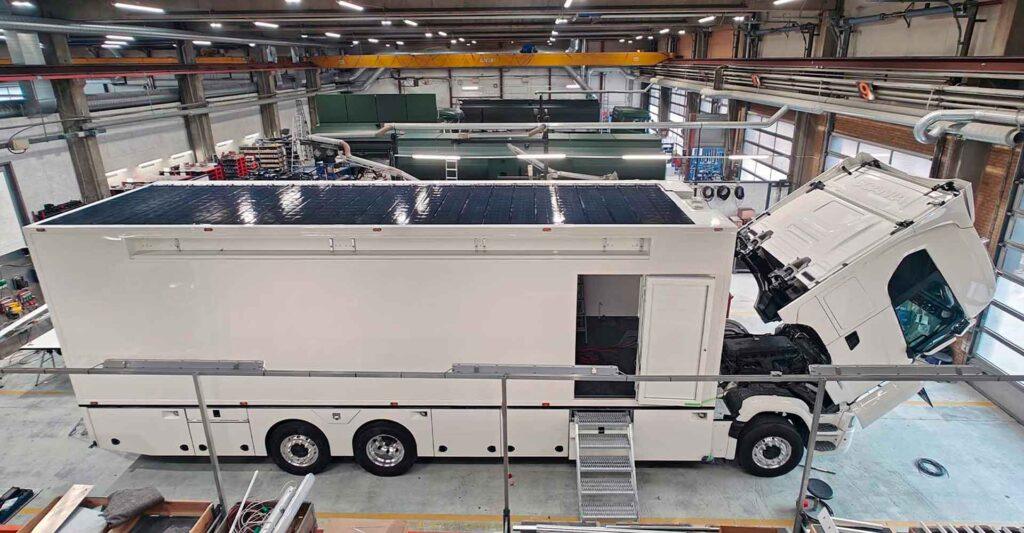
Solar panels as part of the power supply
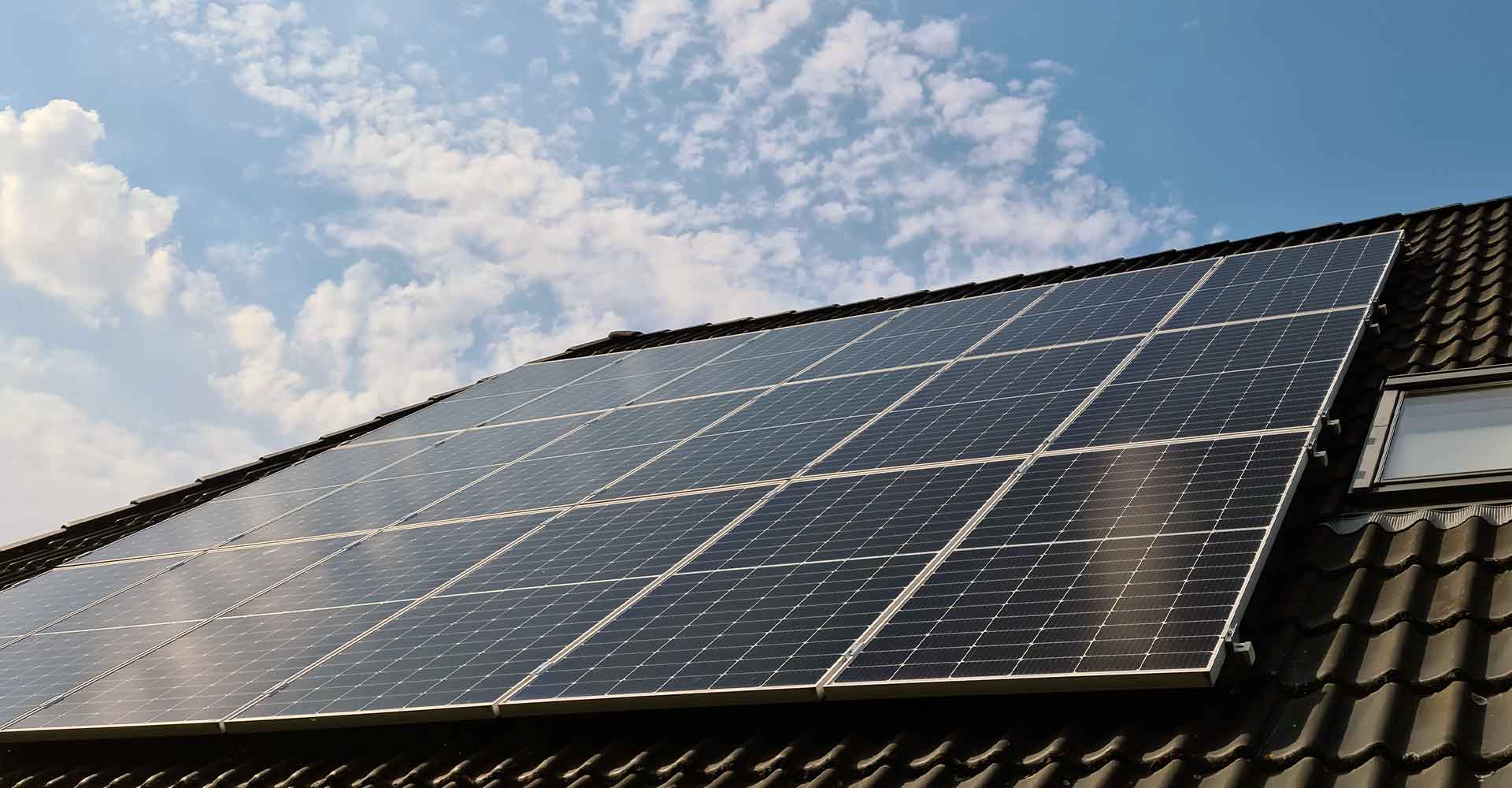
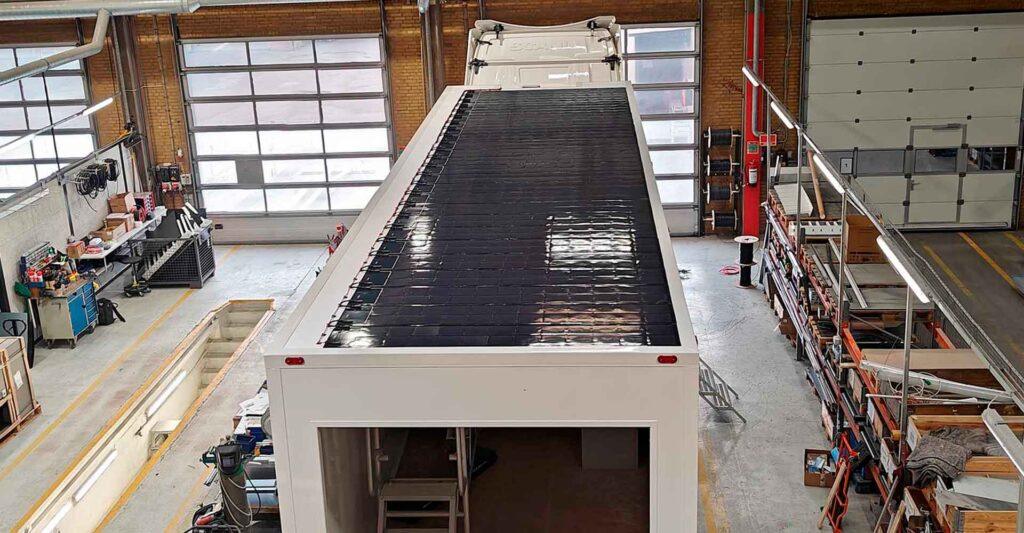
The technical equipment includes CIGS solar cells, which supplies the truck with power for its internal use. The solar panels are one of several components in the power supply system, alongside 400 V shore power, 24 V battery power and a 230 V Fisher Panda generator.
Why solar panels make sense in a forklift truck that is in constant operation
A service van of this type rarely stands idle for long periods. It moves from site to site, and along the way the fridge, freezer, air conditioning and charging of tools and equipment must all function without the generator having to run constantly. This is where solar panels on the roof make sense, as they supply power during the hours when the truck is parked in daylight anyway, thereby taking the strain off the battery and reducing the need to start the generator unnecessarily.
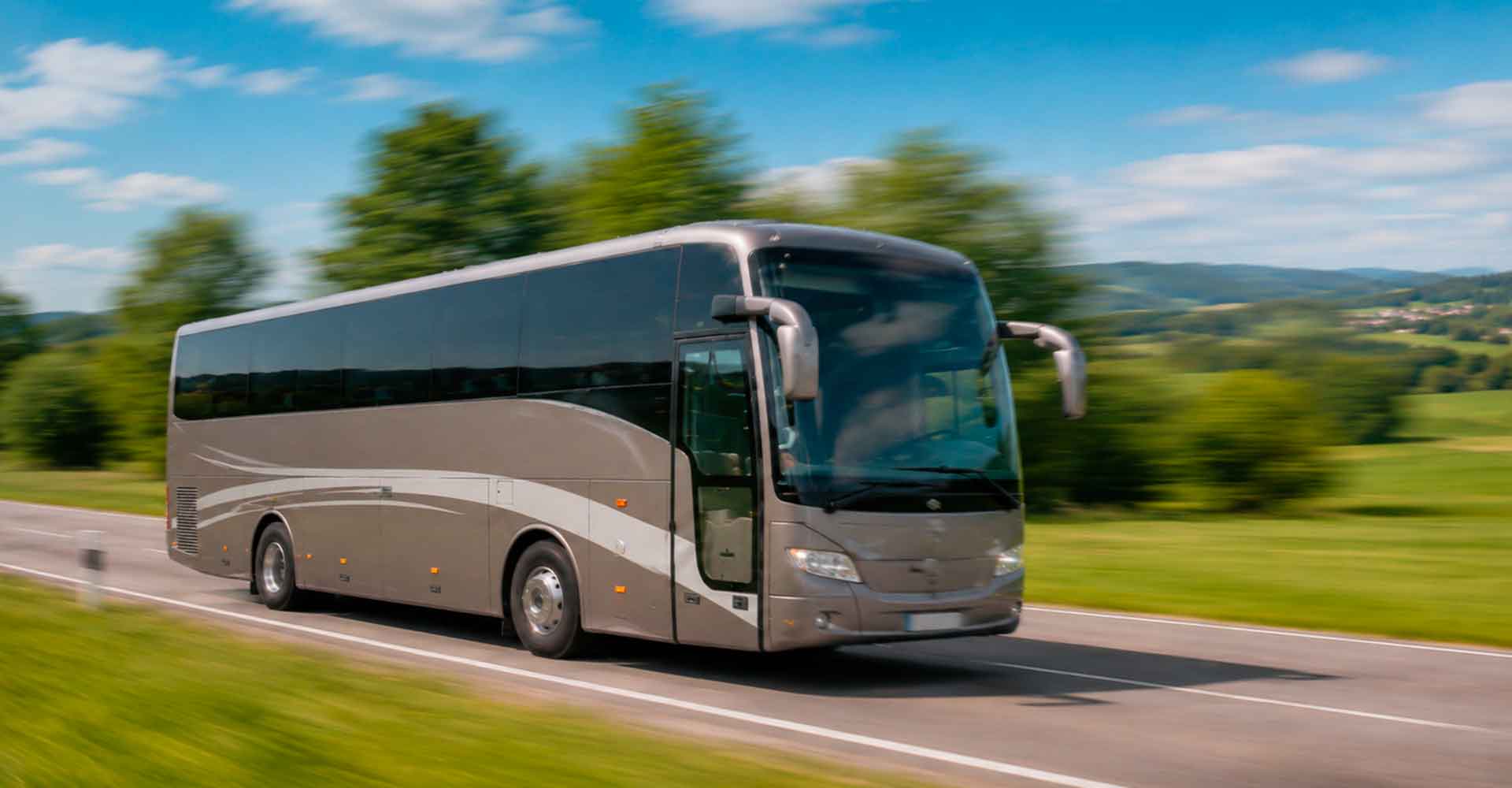
The same logic applies to lorries, buses and refrigerated trailers used in general freight transport. A vehicle that is stationary during breaks, whilst being loaded or at night can draw part of its power directly from the roof rather than drawing on the battery or leaving the engine idling.
What the transport sector can learn from this
The Uno-X mechanic’s van is a competition team project, but the principle behind the solar cells is the same as that which hauliers and bus companies are increasingly seeking: power for refrigeration systems, electronics and comfort features that do not require the engine to be running to supply them. For a fleet owner, this means fewer litres of diesel used whilst idling, less wear and tear on the alternator and battery, and more stable power consumption over a long working day on the road.
The project by HMK Bilcon shows that solar panels on commercial vehicles are no longer an experiment or a niche solution. It is now an integral part of how professional operators design vehicles that must withstand heavy loads, day after day, without unnecessary power consumption from the engine.
Find out more about the Uno-X mechanic’s trolley at HMK Bilcon’s website.
Visit: www.unoxteam.com
Pictures:
top image: HMK Bilcon
Other images: SunPower2u